Selecting the perfect utility trailer can seem daunting, but making an informed decision is crucial for efficiency and safety. Whether you're a homeowner tackling weekend projects or a professional needing reliable transport, understanding your options is key. At Evergreen Trailers, we know that the right trailer can make all the difference, transforming how you transport goods. This guide will help you navigate the essential factors in choosing a utility trailer that truly meets your specific demands.
Assess Your Hauling Needs
Before you even begin looking at specific models, it’s vital to clearly define what you plan to transport. Consider the type of items – will it be landscaping materials, ATVs, construction debris, or furniture? The weight of your typical load is paramount; knowing this will determine the necessary Gross Vehicle Weight Rating (GVWR) and axle configuration. Also, think about the dimensions of your largest items. Will you need extra width or length? Finally, consider the frequency of use. If you’re hauling heavy loads daily, you’ll likely need a more robust and durable trailer than someone who uses one sporadically for lighter tasks.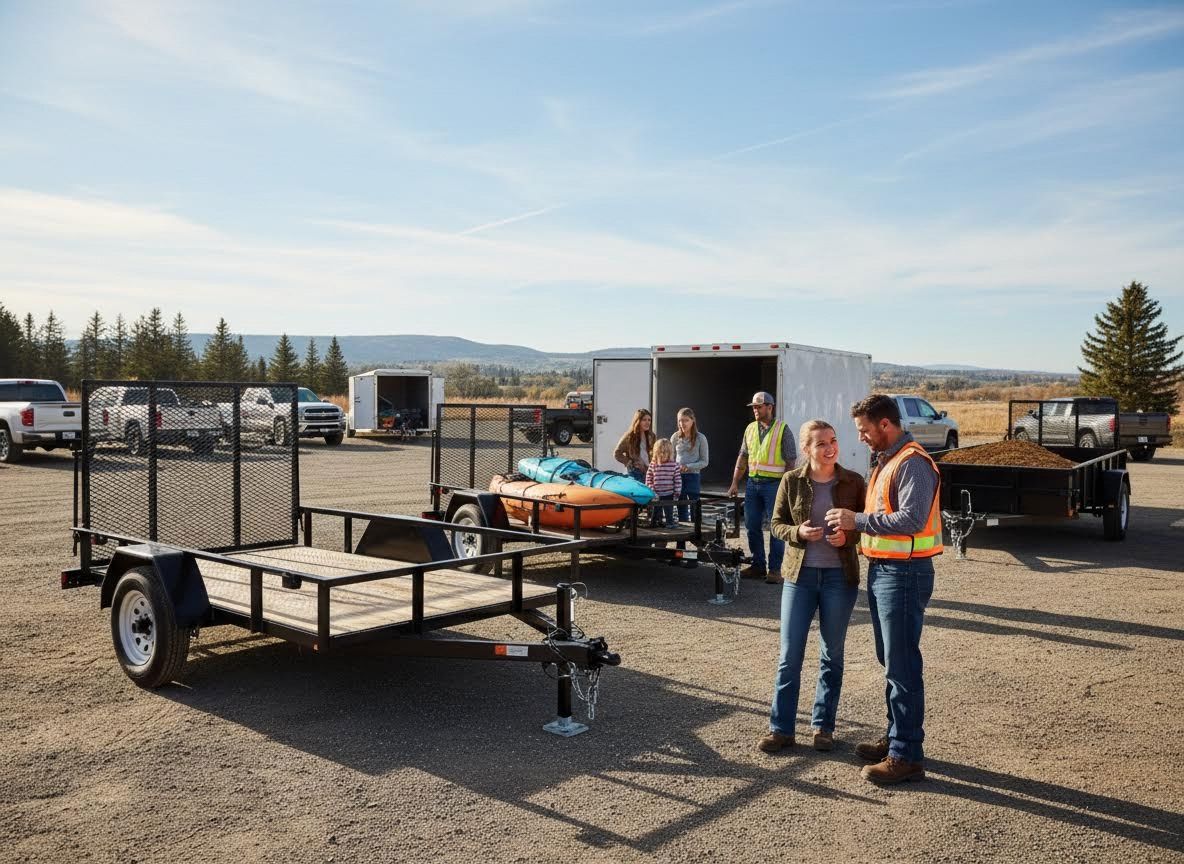
Understanding Trailer Types and Features
Utility trailers come in various forms, each designed for specific purposes. Open utility trailers, for instance, are versatile and cost-effective, ideal for everything from brush to ATVs. Enclosed trailers offer protection from the elements and added security, making them suitable for tools, equipment, or sensitive cargo. Axle configuration is another critical factor: single-axle trailers are generally lighter and easier to maneuver, while tandem-axle trailers provide greater weight capacity, improved stability, and a safety net in case of a tire blowout. Look for features like sturdy ramp options (fold-down, bi-fold, or slide-out), durable flooring (treated wood, steel mesh, or diamond plate), and adequate tie-down points to secure your load.
Assess Your Hauling Needs
Before you even begin looking at specific models, it’s vital to clearly define what you plan to transport. Consider the type of items – will it be landscaping materials, ATVs, construction debris, or furniture? The weight of your typical load is paramount; knowing this will determine the necessary Gross Vehicle Weight Rating (GVWR) and axle configuration. Also, think about the dimensions of your largest items. Will you need extra width or length? Finally, consider the frequency of use. If you’re hauling heavy loads daily, you’ll likely need a more robust and durable trailer than someone who uses one sporadically for lighter tasks.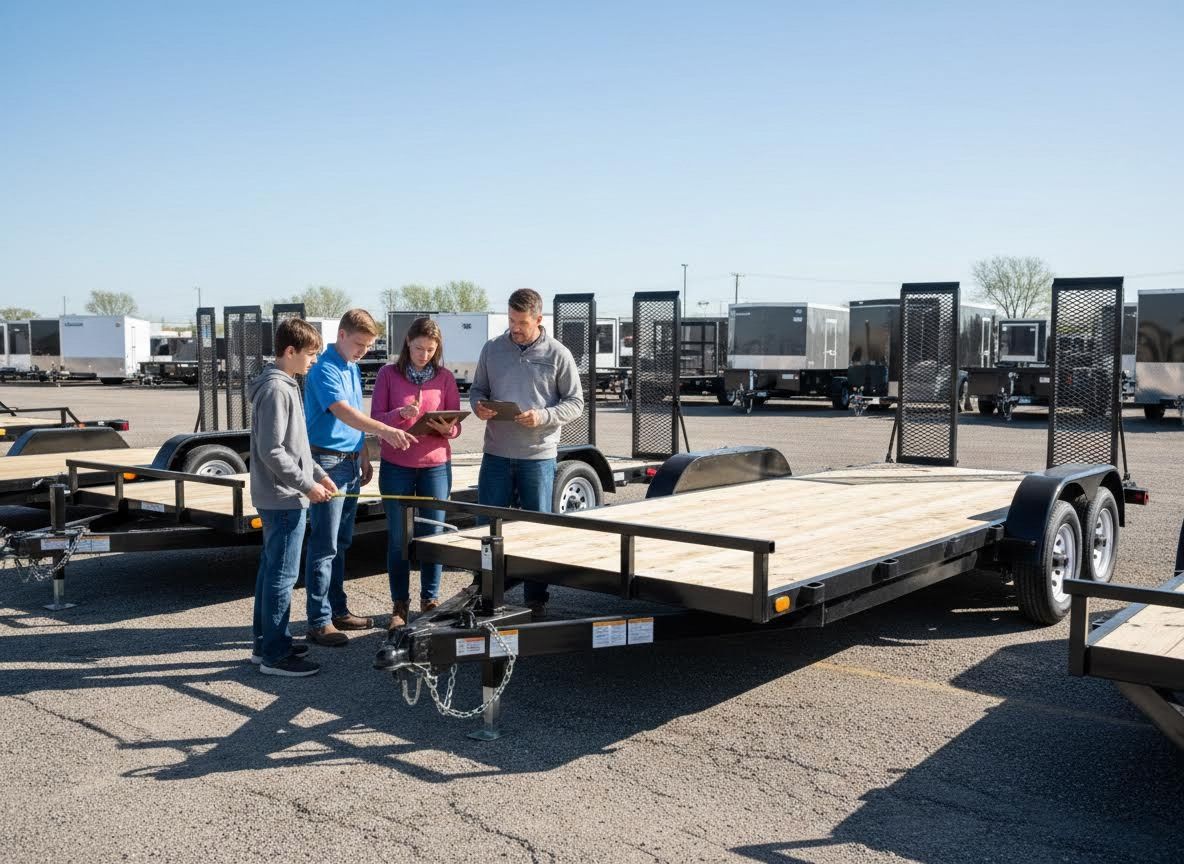
Understanding Trailer Types and Features
Utility trailers come in various forms, each designed for specific purposes. Open utility trailers, for instance, are versatile and cost-effective, ideal for everything from brush to ATVs. Enclosed trailers offer protection from the elements and added security, making them suitable for tools, equipment, or sensitive cargo. Axle configuration is another critical factor: single-axle trailers are generally lighter and easier to maneuver, while tandem-axle trailers provide greater weight capacity, improved stability, and a safety net in case of a tire blowout. Look for features like sturdy ramp options (fold-down, bi-fold, or slide-out), durable flooring (treated wood, steel mesh, or diamond plate), and adequate tie-down points to secure your load.